







Search Results for: soy sauce
Coffee Flavor | Why Do Some Coffees Taste Like "Soy Sauce"? What Factors Affect Coffee Flavor? How to Avoid a "Soy Sauce" Taste in Coffee?
“Huh? Why does this coffee smell kind of like soy sauce?” a customer asked cautiously, full of confusion, after sniffing the dry aroma of the coffee grounds Front Street had handed over. This was not actually the first time Front Street had received such a question. Besides “soy sauce,” there were also things like “ [more…]
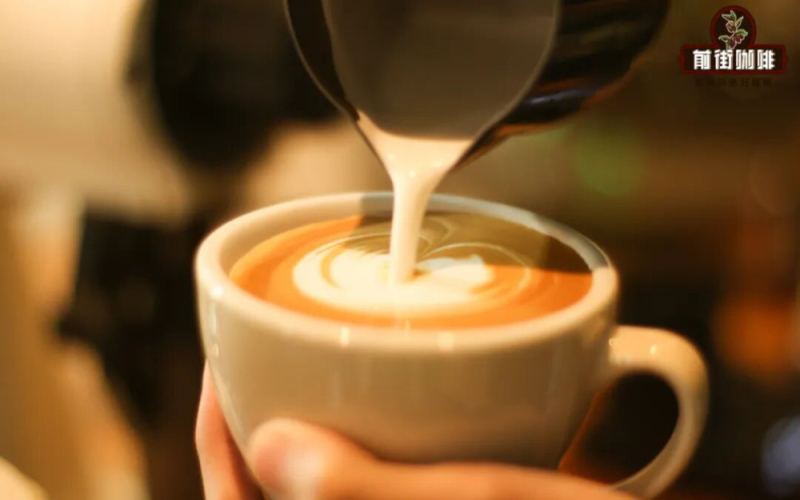
Learning Latte Art from Zero: A Low-Cost Approach Using Dark Soy Sauce, Dish Soap, and Recycled Espresso-Foam Practice
The art of latte art, at its core, relies on the repeated muscle memory of the hands for milk flow and foam. But if every practice session requires freshly pulled espresso and freshly steamed milk, the cost is high, and it's truly a waste to pour out what can't be finished. So many coffee enthusiasts have figured out some money-saving yet practical practice routines to minimize waste. In this article, Front Street Coffee will explain how coffee shops practice latte art in their daily operations: we'll introduce the choice of espresso beans suitable for latte art, share how to froth milk with a French press when there's no espresso machine, and break down in detail two low-cost practice methods—using dark soy sauce with dish soap, and recycling espresso with milk—to help you build up your latte art skills step by step at home. [more…]
Zero experience? You can still practice latte art: cocoa powder dusting, water sprinkling, and reuse methods—the complete low-cost guide to practicing latte art.
Want to practice latte art well but hate watching espresso and milk go down the drain with every cup? In fact, many coffee enthusiasts have long since figured out a money-saving, no-waste way to practice. In this article, Front Street Coffee will share several low-cost latte art practice solutions: from the dark soy sauce plus dish soap combo that even complete beginners can handle, to the reusable espresso-and-milk cycling method, and we'll also answer how to froth milk with a French press when you don't have an espresso machine. We'll also recommend espresso beans suitable for latte art, helping beginners build up their hands' muscle memory for milk foam step by step while keeping costs under control, so that every practice session gets closer to coffee shop quality. [more…]
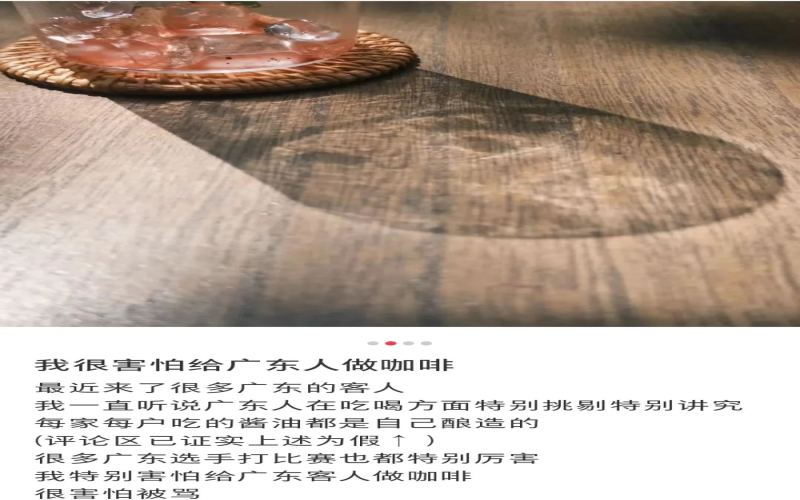
Hubei café owner worries Guangdong customers are too picky? Netizens respond with humor to ease regional food culture anxiety
A café owner in Hubei, having heard that Cantonese people are extremely particular about food and having seen Cantonese competitors shine in coffee competitions, couldn't help but feel nervous about serving customers from Guangdong. The post sparked humorous self-deprecation and warm explanations from Guangdong netizens, ranging from jokes about home-brewed soy sauce and growing coffee beans on rooftops to the creative idea of banxia americano, before finally clarifying that most Cantonese people are not coffee connoisseurs. The article presents an amusing dialogue arising from the clash of regional food cultures, while also conveying a reassuring message that coffee professionals need not be overly anxious. [more…]
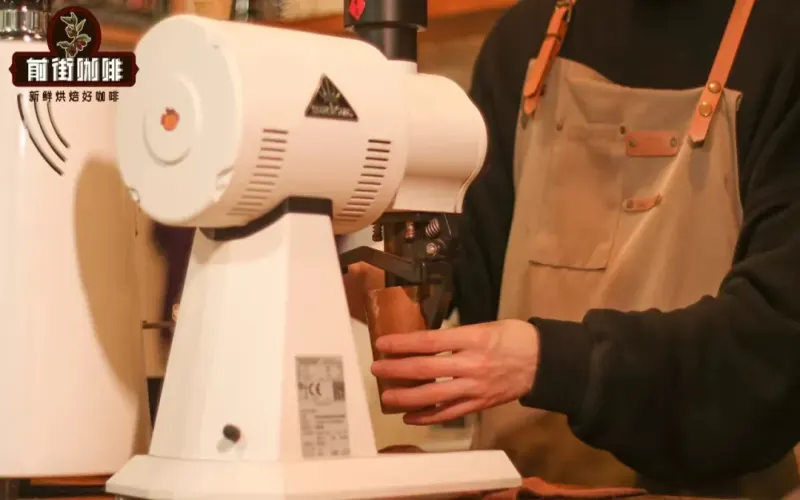
Why does coffee present a sauce-like aroma? What exactly is the difference between natural and anaerobic processing?
After roasting, green coffee beans release an extremely rich array of aromatic compounds, ranging from white florals to citrus fruit notes. These pleasant aromas burst forth in abundance the moment the beans are ground, often prompting baristas to deliberately let customers experience the dry fragrance before brewing. However, not all aromas are pleasant. Some beans, after grinding, give off a heavy savory aroma reminiscent of doubanjiang or soy sauce in the kitchen, leaving many people frowning in confusion. Where exactly does this flavor come from? What is its relationship to the coffee's processing method? And what essential differences exist between natural and anaerobic processing? This article will focus on how the degree of fermentation influences flavor direction, analyze the underlying logic behind the formation of savory notes, and use examples of beans currently sold by Front Street Coffee to help everyone more accurately identify and appreciate this type of coffee. [more…]
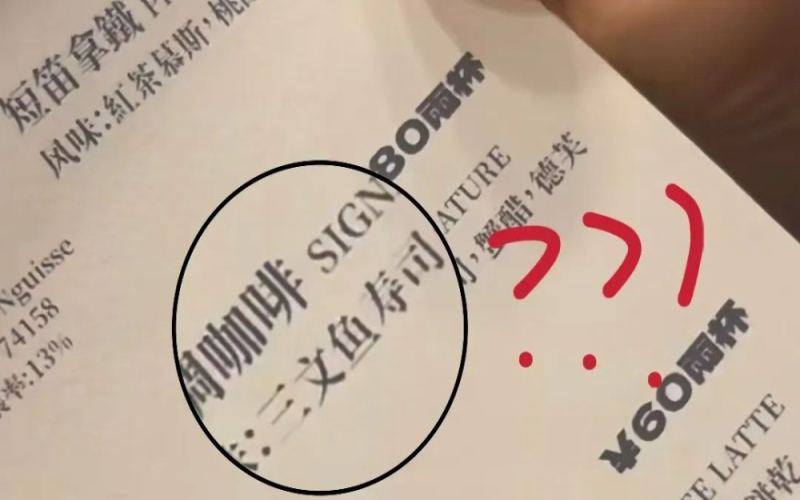
Shanghai café launches a salmon sushi–flavored specialty drink, 80 yuan per cup with no actual fish, and netizens are split in their reviews
What flavor would arise from a collision between classic Japanese cuisine salmon sushi and coffee? A coffee shop in Shanghai recently launched a special blend with a salmon sushi flavor priced at 80 yuan, claiming it can simulate the taste of liquid sushi, yet it actually contains no salmon at all. The founder's公开 recipe shows that oat milk and wasabi paste simulate the rice, avocado cream milk cap simulates the fish, and it comes with a separate "soy sauce" made from espresso. This special blend quickly sparked heated discussion online, with some people exclaiming "don't come near me," while others who tried it said the taste was not bad. Beneath its bizarre appearance, is it a dark cuisine or a creative delicacy? [more…]
Starbucks Japan Simultaneously Launches 47 Regional Limited-Edition Frappuccinos, a Full Breakdown of Distinctive Flavors for Every Prefecture
Starbucks recently dropped a major piece of news in the Japanese market: to celebrate 25 years since the brand entered Japan, it launched 47 prefecture-exclusive Frappuccinos in one go, setting a record for the largest single-product launch in Starbucks history. These 47 drinks were designed by local employees based on the specialties and memorable highlights of their respective hometowns, from Hokkaido corn cream to castella coffee cream, with each cup carrying its own unique regional culture. This article will walk you through the creative inspirations behind these limited-edition Frappuccinos, their signature flavors and how they are made, along with release dates and purchase restrictions. [more…]

Garlic Latte Goes Viral Online: A Complete Guide to Making This Trendy Coffee, from Garlic Paste Coating the Glass to Iced Coffee Mixing
The boundaries of coffee are constantly being pushed, from turtle jelly lattes to soy sauce syrup lattes, and now even minced garlic has entered the world of coffee. Zhou Libo's old joke about "eating garlic and drinking coffee" still lingers in our ears, yet the emergence of iced garlic latte has left both garlic lovers and haters speechless. This article will walk you through the complete steps for making this viral coffee, trace coffee's journey from the "altar" to the streets, and present netizens' genuine reactions to garlic-infused coffee. If you're also curious about the taste of garlic colliding with coffee beans, why not follow Front Street Coffee's perspective and find out. [more…]
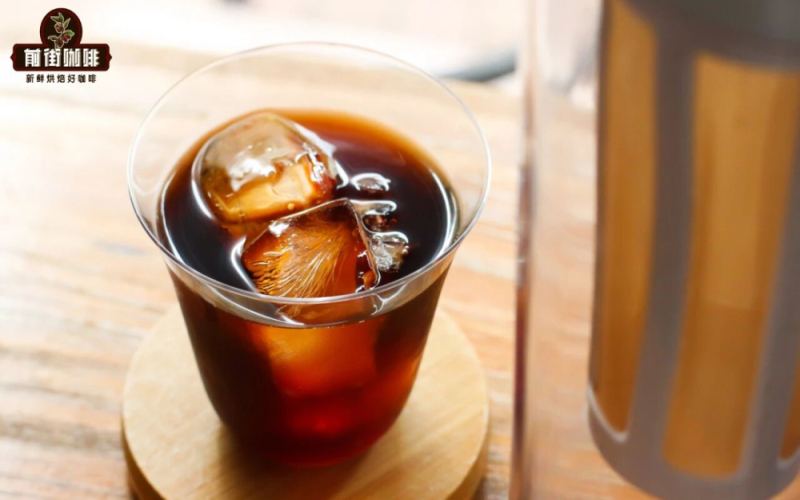
How to Make Cold Brew Coffee Taste Great? A Complete Parameter Guide from Coffee-to-Water Ratio and Grind Size to Steeping Time
Cold brew coffee seems like it only requires mixing coffee grounds and water, then letting it steep in the refrigerator to be done. The process is simple, but in practice, quite a few people mess it up. Some end up with cold brew that is both salty and overpowering, tasting like soy sauce — the problem often lies in the parameters. Water temperature, grind size, time, and ratio are the four major variables that determine flavor. This article starts from a typical case of failed cold brew, breaks down the causes of saltiness and excessive strength one by one, and offers Front Street Coffee's recommendations for coffee-to-water ratio, grind particle size distribution, and steeping time used in actual production, to help you consistently make a smooth, delicious pot of cold brew coffee. [more…]
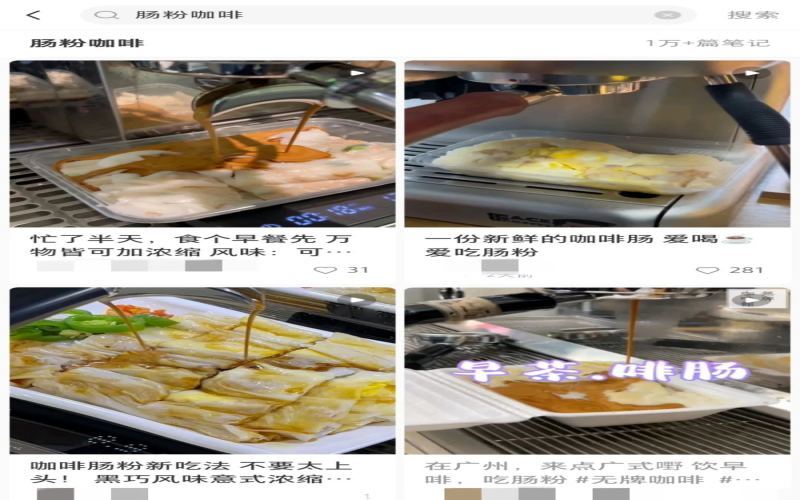
Rice noodle rolls paired with espresso? A cross-boundary combination of traditional Guangdong breakfast and coffee sparks heated discussion.
What happens when traditional Guangdong rice noodle rolls meet espresso? Recently, a novel way of eating them—swapping the soy sauce for espresso—has sparked widespread discussion on social media, with related posts on Xiaohongshu exceeding ten thousand. Some people call it outrageous, while others say they are eager to try it. In fact, crossovers between coffee and traditional Chinese foods have long existed, from Chengdu's pork intestine rice noodles paired with coffee to fried dough sticks with coffee. Such attempts continuously refresh people's understanding of coffee culture. This article will take you through the story behind this phenomenon and the various amusing tales of coffee's localisation explorations. [more…]
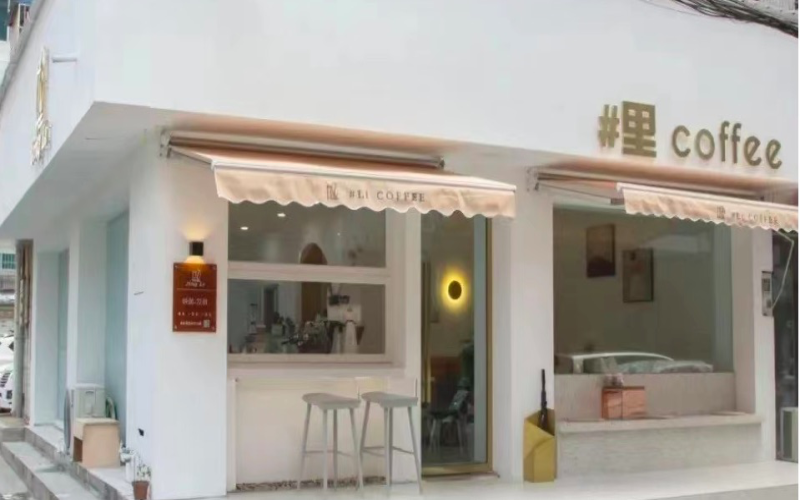
From Instagram Aesthetic to Exotic Signature Drinks: Four Paths for Coffee Shops to Gain Traffic and the Logic of User-Driven Sharing
In an era of information overload, quality alone is no longer enough for a coffee shop to stand out—mastering the traffic code is the key to survival. From the earliest Instagram-style décor, to the contrasting scenes of coffee being sold in temples and breakfast shops, to novelty drinks like chili Americano and soy sauce latte, the coffee industry's traffic tactics keep escalating. Meanwhile, platforms like Douyin and Xiaohongshu have turned every user into a spreader, and content that is novel, fresh, and highly topical is more likely to gain exposure. This article sorts out several typical paths for coffee shops to gain traffic, analyzes the logic behind spontaneous user sharing, and recommends related products from Front Street Coffee, offering coffee lovers a new perspective on the industry. [more…]
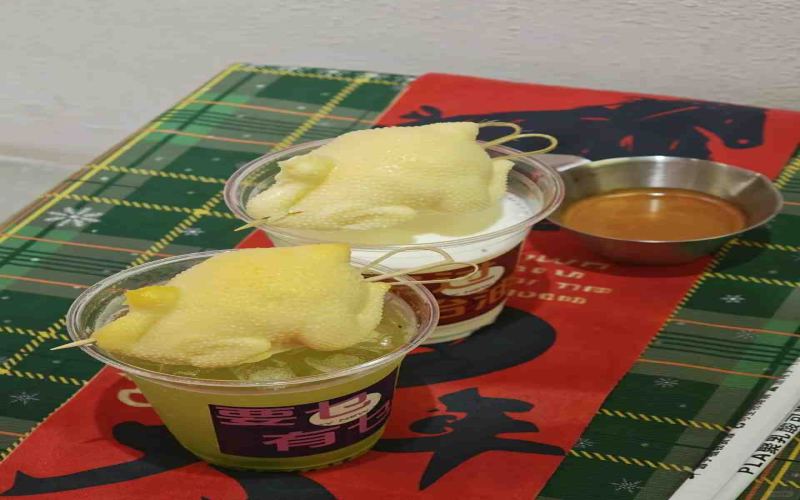
White-cut chicken latte takes social media by storm: corn panna cotta garnish available for an extra 5 yuan, with 1.5-hour queues at peak times
Recently, a coffee with a unique design has gone viral on social media: perched atop the drink in the cup is a lifelike "white cut chicken" decoration, with chicken skin texture so detailed it's astonishing. When espresso is poured over it, the visual effect instantly transforms from white cut chicken to soy sauce chicken, sparking lively discussion among netizens. This is actually a creative decoration made by the coffee shop using corn panna cotta, available to customers for just 5 yuan with any drink purchase. Due to the large number of people wanting to take photos, it often sells out during the afternoon rush. Is this drink just a gimmick or a creative highlight? Let's find out. [more…]
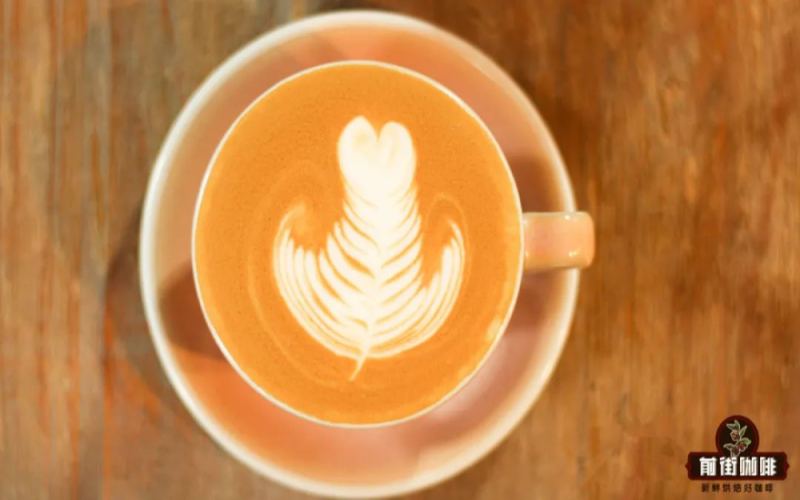
Latte Art Tutorial: Operational Differences Between Leaf Patterns and Layered Hearts, and a Detailed Guide to Creating Latte Art
After mastering the basic heart and the more advanced multi-layered heart, the leaf pattern is another hurdle to overcome in latte art practice. It may look similar to the multi-layered heart, but in reality there are clear differences in milk foam condition, the amount of integration, the pour point, and the swinging method. This article will break down the key points of making leaf latte art one by one, from milk foam thickness, the amount of milk used for integration, the pour point for creating the pattern, and swinging techniques to the complete hands-on steps. It will also explain the impact of different pitcher capacities on the process, and how to find the right position for creating the design by adjusting the amount of integration. Front Street Coffee suggests first practicing repeatedly with dish soap and soy sauce, and once the technique is proficient, then using milk and espresso for real practice, so you can pour a leaf pattern with clear stripes and a beautiful finish. [more…]
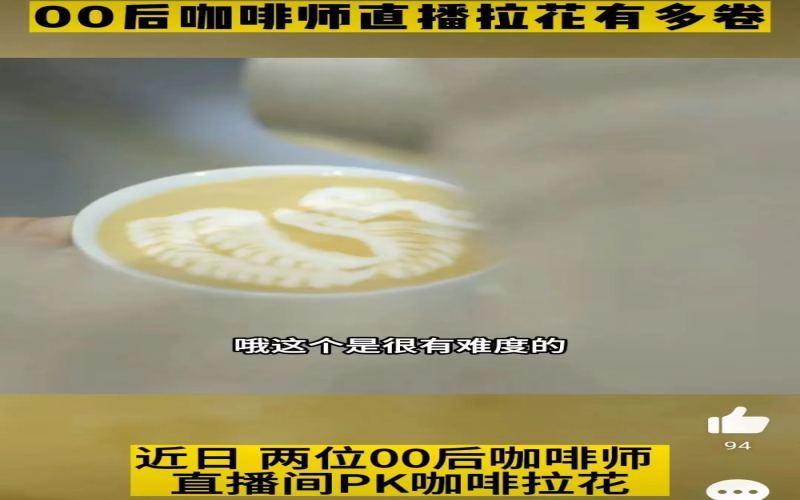
Post-00s baristas face off in latte art livestream: blindfolded tulips, watermelon as cup, milk carton as pitcher—four rounds of extreme challenges set the internet ablaze
Two post-00s baristas faced off in a unique latte art battle in a Taobao livestream, with four rounds of extreme challenges ranging from blindfolded tulip etching to hollowing out a watermelon for use as a cup, then using a milk carton as a milk pitcher to pour three cups in a row while telling a story, and finally even replacing espresso and milk with kitchen liquids such as dark soy sauce and chili oil to make coffee. This livestream show, lasting several tens of minutes, not only showcased coffee’s complex and varied pattern designs, but also left netizens watching in awe of the skill and creativity of China’s young baristas. It is understood that the two protagonists come from the PCA Professional Coffee Skills Training Camp and S.O.E. 8 Squared Coffee respectively, and have been in the industry for six or seven years. They hope that through livestreaming, more people will learn about Chinese coffee culture. [more…]

2023 Earth Day Starbucks Free Coffee with Bring-Your-Own-Cup Event Recap: A Grand Review of Quirky Containers and Environmental Philosophy
Every year on April 22, World Earth Day, Starbucks launches a bring-your-own-cup free coffee event, and this year is no exception. This time-limited, unlimited free coffee feast attracted many coffee lovers, who all brought all kinds of bizarre containers to "get freebies." From frying pans to buckets, from rice cookers to stainless steel basins, netizens' creativity is both amusing and endearing. The first 40 people could also get a free upgrade to a medium almond latte, which added even more temptation. This article takes you through the highlights of this year's event, to see which "outstanding" contestants' cups can become classics, while also experiencing the environmental protection concept advocated by Starbucks. [more…]
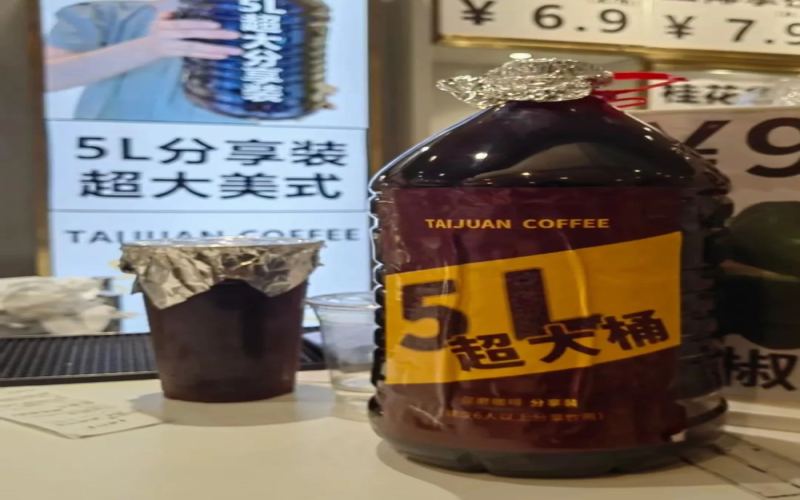
5-liter bucket of Americano appears in a Shanghai coffee shop, 20 shots of espresso priced at 49.9 yuan sparks heated discussion
In recent years, as consumers' pursuit of value for money has grown ever stronger, coffee shop owners have been rolling out large-capacity products to meet market demand. A coffee shop in Shanghai recently launched a 5-liter Americano priced at 49.9 yuan, containing 20 shots of espresso, sparking widespread discussion online. This product is designed for multi-person sharing scenarios, offering a convenient option for occasions such as overtime work in the office and gatherings, while also drawing attention to the store thanks to its striking visual impact. From extra-large cups to 1-liter sizes, and now to today's 5-liter buckets, XL-sized coffee is gradually becoming a new trend against the backdrop of consumption downgrading. This article will walk you through the details of this product, netizens' reactions, and related recommendations from the Front Street Coffee brand. [more…]

Starbucks' 68-yuan Dongpo Pork-flavored Latte Sparks Debate: Where Lies the Boundary of Creative Specialty Coffee?
Starbucks Reserve recently launched a "Nianfeng Savory Latte" priced at 68 yuan, inspired by the traditional Jiangnan dish Dongpo braised pork, incorporating Dongpo pork-flavored sauce and pork jerky into the coffee, quickly sparking widespread discussion on social media. Some bloggers who tried it described its taste as both salty and sweet, even evoking a sense of fermented bean curd stewed pork with candied hawthorn. Netizen reviews are polarized, with some calling the idea explosive and others questioning whether such specialty drinks have strayed from the essence of coffee. This article will examine the flavor performance of this product, consumer feedback, and the industry phenomenon of creative specialty coffees becoming increasingly bizarre in recent years, while exploring the balance between coffee innovation and the essence of the beverage. [more…]
CCTV livestream tasting of scallion latte goes viral: can novelty coffee win consumers' hearts in the long run?
Coffee has long become part of everyday life for the general public, yet in recent years all kinds of "novel" pairings have emerged one after another, constantly refreshing people's understanding of this beverage. Recently, a "scallion latte" appeared on a CCTV livestream, and after tasting it, the host and guest bluntly said it was "like vegetables fell into the coffee" and that they "tasted a white scallion aroma," quickly sparking heated discussion. From flower tea coffee and fruit coffee to special blends inspired by dishes such as roast goose, white cut chicken, aged vinegar, and fish mint, coffee shop owners have practically moved the entire Chinese menu into coffee cups. Novel flavors can certainly win momentary attention, but coffee ultimately must be held to the bottom line of tasting good. This article will take you through these wildly imaginative special blends and explore the consumer logic behind novelty coffee along with recommendations from the Front Street brand. [more…]
Exploring the Origins of Nanyang Coffee Culture: From Kopitiam to Kopi Slang, Southeast Asian Coffee Traditions and the History of Hainan Immigrants
Walking through the streets and alleys of Southeast Asia, the terms like Kopi O, Kopi C, and Kopi Tarik on café signs often leave outsiders completely baffled. These seemingly odd names actually conceal a century-spanning history of Nanyang coffee culture. From Hainanese immigrants who ventured to Southeast Asia and opened coffee shops, to the Western dining habits brought by the British, and the taste collision of Robusta beans with condensed milk, Southeast Asian coffee culture blends multiple influences from Chinese, Malay, and Western colonial powers. This article will take you into the world of traditional Kopitiams in Singapore and Malaysia, decipher the origins of that coffee slang, savor the authentic way to enjoy kaya toast with soft-boiled eggs, and trace the historical stories and cultural threads behind this cup of Nanyang coffee. [more…]
Latte Art Guide: From Pouring Point and Swirling Control to Step-by-Step Tutorials for Tulip and Leaf Patterns
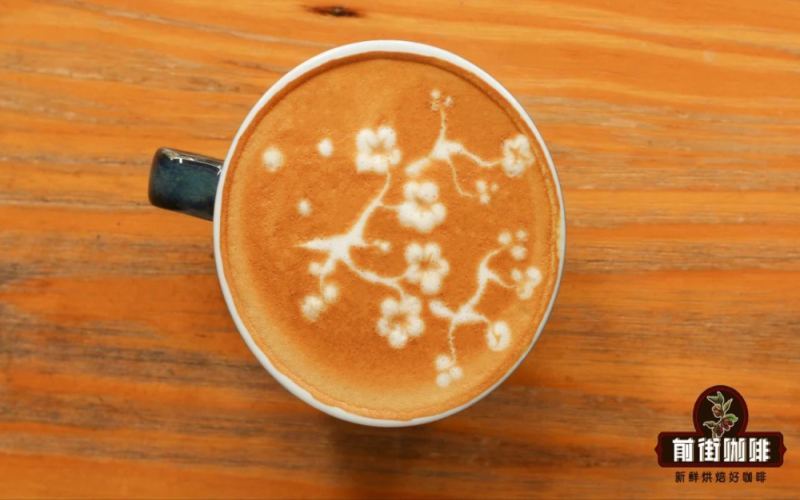
Latte art encompasses three categories: free pouring, etching, and printing. Of these, free pouring and etching are together known as milk latte art—free pouring creates the pattern directly through wrist control while pouring hot milk, whereas etching uses chocolate sauce and tools such as toothpicks and bar spoons to refine the details. Free pouring is the foundation, and etching is the辅助 (auxiliary); the former tests technique, the latter tests creativity. To master milk latte art, one typically goes through five stages: choosing the right milk pitcher and coffee cup, practicing flow control, becoming familiar with basic patterns, hands-on practice, and then further refinement and improvement. This article will use two basic patterns, the tulip and the leaf, as examples to break down key techniques such as the position of the pour point, the flow rate, and the rhythm of the swing, and explain how to use 【Front Street Specialty Blend】 to extract espresso suitable for latte art. [more…]